Location-Based Digital Advertising
Reach Customers Based on Where They Go
DDM builds geofencing campaigns around relevant locations, such as competitor trade areas, events, and local commercial corridors, then delivers digital ads to eligible devices through participating apps and websites.
Receive recommended target zones, audience considerations, and a preliminary campaign approach.
Serving businesses across DuPage, Kane, Kendall, and Will counties.
How It Works
What Is Geofencing Advertising?
Geofencing uses virtual boundaries around selected real-world locations. When an eligible device enters one of those areas, it may become part of an audience that can receive ads across supported digital channels.
This helps focus media spending on audiences connected to relevant places, not just broad zip codes or general interest categories.
Targeting Strategy
Target the Locations That Matter
The right campaign starts with locations connected to the audience and objective, not oversized circles on a map. DDM works with you to identify the location types that make sense for your business.
Build zones around businesses in your category. Eligible devices that visit those locations may receive your ads, putting your business in consideration at a relevant moment.
Target audiences gathered at local events, community venues, sports facilities, and seasonal markets where your prospective customers are spending time.
Cover the commercial corridors, shopping districts, and service areas where your target customers live, work, and spend their routines.
A conversion zone around your business can help attribute estimated post-exposure visits and gives you a way to measure campaign performance over time.
Managed Process
From Targeting Strategy to Campaign Reporting
Three stages. Each one builds on the last.
Select the Right Locations
We review your markets, category, and objectives to identify the location types most relevant to your audience. Zones are designed to focus on meaningful areas, not just maximum radius.
Launch and Retarget
We create the campaign creative, configure zones and targeting parameters, and launch through the platform. Eligible devices in the zones may receive ads, and a retargeting window extends delivery after zone association.
Measure and Improve
Monthly reports show delivery, engagement, zone performance, and estimated visits where configured. We review the data with you and adjust targeting or creative based on what the campaign is producing.
Campaign Illustration
See a Local Campaign Take Shape
Here is how a geofencing campaign might be structured for a local home-services company building awareness in three priority markets.
Measurement
Know What the Campaign Is Producing
Reporting can show ad delivery, engagement, audience activity, zone performance, and eligible post-exposure visits. What is available depends on platform, permissions, data availability, attribution window, and methodology.
Plain-language reporting, explained in context
How many times ads were shown across participating inventory during the reporting period.
Approximate number of eligible devices associated with campaign zones. This is an estimate, not a count of identified individuals.
Delivery and engagement broken down by target location so you can see which zones are contributing most.
When a conversion zone is configured, reporting may show estimated visits from devices that were previously associated with a campaign zone. Availability varies by platform and configuration.
Visit attribution note:Visit attribution is an estimate based on eligible device signals and the platform's methodology. It does not identify every visitor or prove that an ad was the sole cause of a visit.
Why DDM
Local Strategy. Disciplined Execution.
DDM combines location planning, campaign creative, digital delivery, and reporting into one managed local advertising program. It is built around locations that matter to the business, appropriate audience parameters, and measurable objectives.
We know the commercial corridors, events, and competitive landscape across DuPage, Kane, Kendall, and Will counties. Location decisions are grounded in local context, not default radius settings.
DDM handles campaign creative as part of the program. You do not need a separate agency or design team to get a geofencing campaign launched.
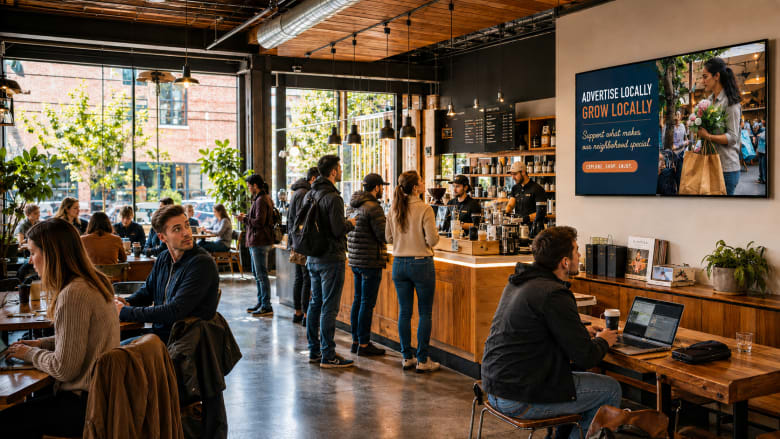
Geofencing campaigns can complement DDM's indoor digital billboard network. A business running both reaches eligible audiences on their phones and on screens inside local venues.
Common Questions
Geofencing Questions, Answered
Geofencing advertising uses virtual boundaries around selected real-world locations. When an eligible device enters one of those areas, it may become part of an audience that can receive ads through supported apps and websites. The technology focuses media spending on audiences connected to relevant places rather than relying solely on broad zip codes or interest categories.
A campaign can be built around competitor or category locations, event venues, trade areas, commercial corridors, or your own business location. We work with you to identify the location types most connected to your audience and objective. Some location types may not be eligible depending on platform policies.
Ads are delivered through participating apps and websites. Delivery may occur during or after a device is associated with a zone, depending on platform configuration and inventory availability. Ad placement is determined by the platform and is not guaranteed to appear at any specific moment or location.
Reporting can include estimated or attributed visits to a conversion zone around your business. This is based on eligible device signals and the platform's attribution methodology. It does not identify or count every person who enters the business, and it does not prove that an ad was the sole cause of a visit. Visit figures should be understood as estimates, not a literal count of every walk-in.
Geofencing works with aggregated, anonymized device signals rather than personal identities. The technology identifies that a device entered a geographic zone and may make it eligible for advertising. DDM does not receive, store, or access personally identifiable information through the campaign. Data practices are governed by the platforms and data partners involved. DDM follows applicable guidelines, but cannot speak to the full privacy infrastructure of every downstream platform or data provider.
Reports can include impressions delivered, estimated devices or audience reach, clicks or engagement, performance by target zone, and attributed or estimated visits to a conversion location when configured. Exact metrics available depend on the platform, permissions, data availability, and attribution window. Reports are provided in plain language with context for what the numbers represent.
Geofencing pairs naturally with indoor billboard advertising to reach audiences both on their devices and inside local venues.
Free Targeting Plan
See Where Geofencing Could Reach Your Customers
DDM will review priority markets, relevant location types, creative needs, and practical measurement options for your business.
DDM builds location-based advertising campaigns for businesses serving DuPage, Kane, Kendall, and Will counties.
Request Your Targeting Plan
Share a few details about your business and markets. A member of the DDM team will follow up within one business day.
Get My Free Targeting PlanNo commitment. A real team member will respond.