MENU

DDM vs Blip Billboards

DDM vs Blip Billboards: Which Fits Your Business?

Match the approach to your customers, your budget and how hands-on you want to be.

Blip is a self-service platform for buying digital billboard time, indoor and outdoor. You pick the locations, set a budget and run the campaign yourself. DuPage Digital Media (DDM) works differently: a local team recommends screens in venues it works with across Chicago’s western suburbs, builds the ad and reports counted plays.

Neither suits everyone. Here is how they differ, and when Blip may be the better choice.

DDM reviews which local screens fit your customers and goals, and tells you what is available. No commitment.

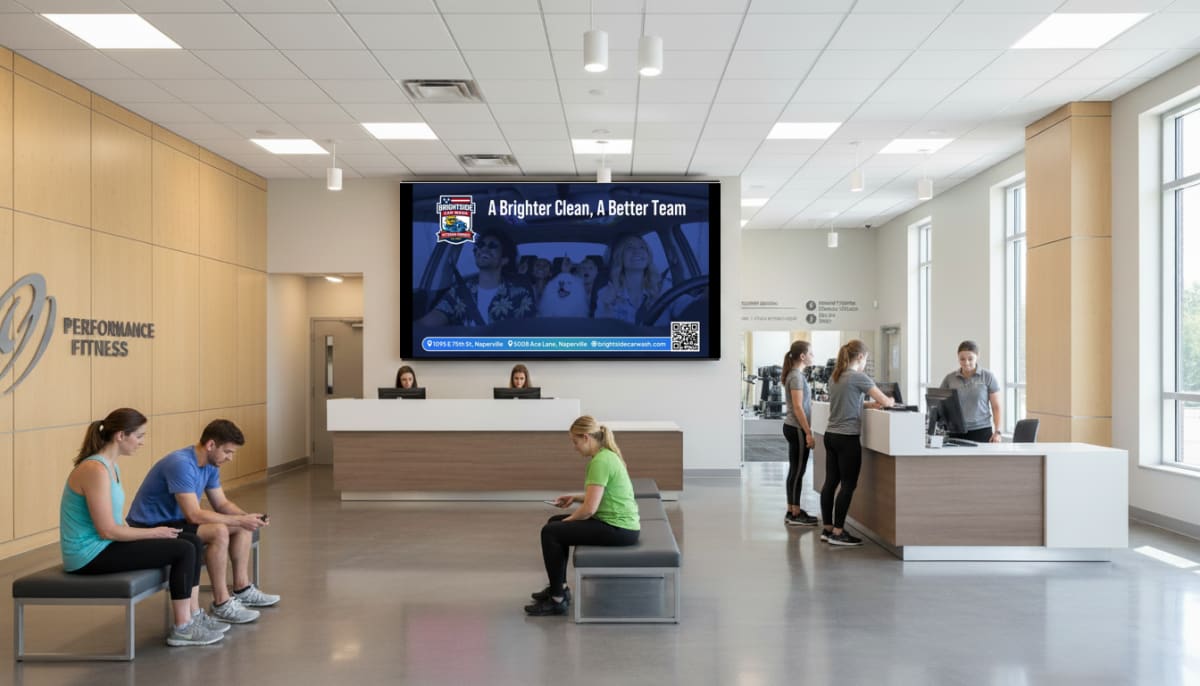
DDM indoor advertising screen installed at F45 Training Naperville

Side by Side

Five Differences That Decide It.

Both are real options for getting seen locally. These are the points that usually matter when you choose.

What MattersDDMBlip Billboards
Who runs the campaignDDM’s local team recommends placements, builds the ad, schedules it and manages the campaign. You approve the ad.You do. Blip is self-serve: you choose locations, set a budget and schedule, and manage the campaign on its platform.Source: Blip self-serve page
Where the ad runsIndoor screens in venues DDM has relationships with across Chicago’s western suburbs: 34 screens across 33 venue partners.Indoor screens in venues such as retail, gyms, offices, restaurants and waiting rooms, plus outdoor digital billboards, in locations across the country that you browse and pick yourself.Source: Blip indoor billboards page, Blip self-serve page
CreativeDDM builds a professional 20- or 30-second full-motion ad. You approve it before it runs.Upload your own artwork, or use Blip’s free Artwork Generator and design guidelines during setup. Blip reviews designs before they go live.Source: Blip billboard design guidelines, Blip indoor billboards page
Budget and termsDDM confirms current placement options, cost and terms when you ask. Campaigns run on a 12-month monthly subscription agreement.Pay per display. You set a daily budget and schedule and can change them any time. Blip says there are no contracts and no minimums, and that cost varies with location, time of day and demand.Source: Blip indoor billboards page, Blip pricing page
ReportingCounted-play reports for the screens in your campaign. A play is one logged appearance of your ad on one screen.Campaign analytics on Blip’s platform. Blip sells displays of about 8 seconds each.Source: Blip indoor billboards page, Blip home page

A Blip display and a DDM counted play are different units. Neither counts people, impressions, leads or sales, so do not weigh one number against the other.

Where Each One Fits

Choose by Your Customers, Budget and Time.

Blip may fit when

  • You want to buy, schedule and adjust the campaign yourself, and have the time to do it.
  • Your customers are spread across several markets, or you want to reach people outside the western suburbs.
  • You want a flexible, pay-per-display budget with no contract, such as a short test or an event push.
  • You are comfortable making your own creative, with help from Blip’s Artwork Generator.

DDM may fit when

  • Your customers live, shop and spend time in Chicago’s western suburbs.
  • You would rather hand placement choices, ad creation and campaign management to a local team.
  • You want a recommendation of which screens fit your customers, then counted-play reports.
  • You can plan around a 12-month subscription rather than a pay-as-you-go budget.

Not sure which fits? A short review of your customers and goals is the quickest way to tell.

Why Owners Choose DDM

A Local Team Behind Every Screen.

You approve the ad. DDM handles placement, creative and reporting.

Real Venues

Screens in public local venues across Chicago’s western suburbs.

Professional Creative

A full-motion ad built for you and approved by you before it runs.

Counted-Play Reports

Counted plays for the screens in your campaign, so you know what ran and where.

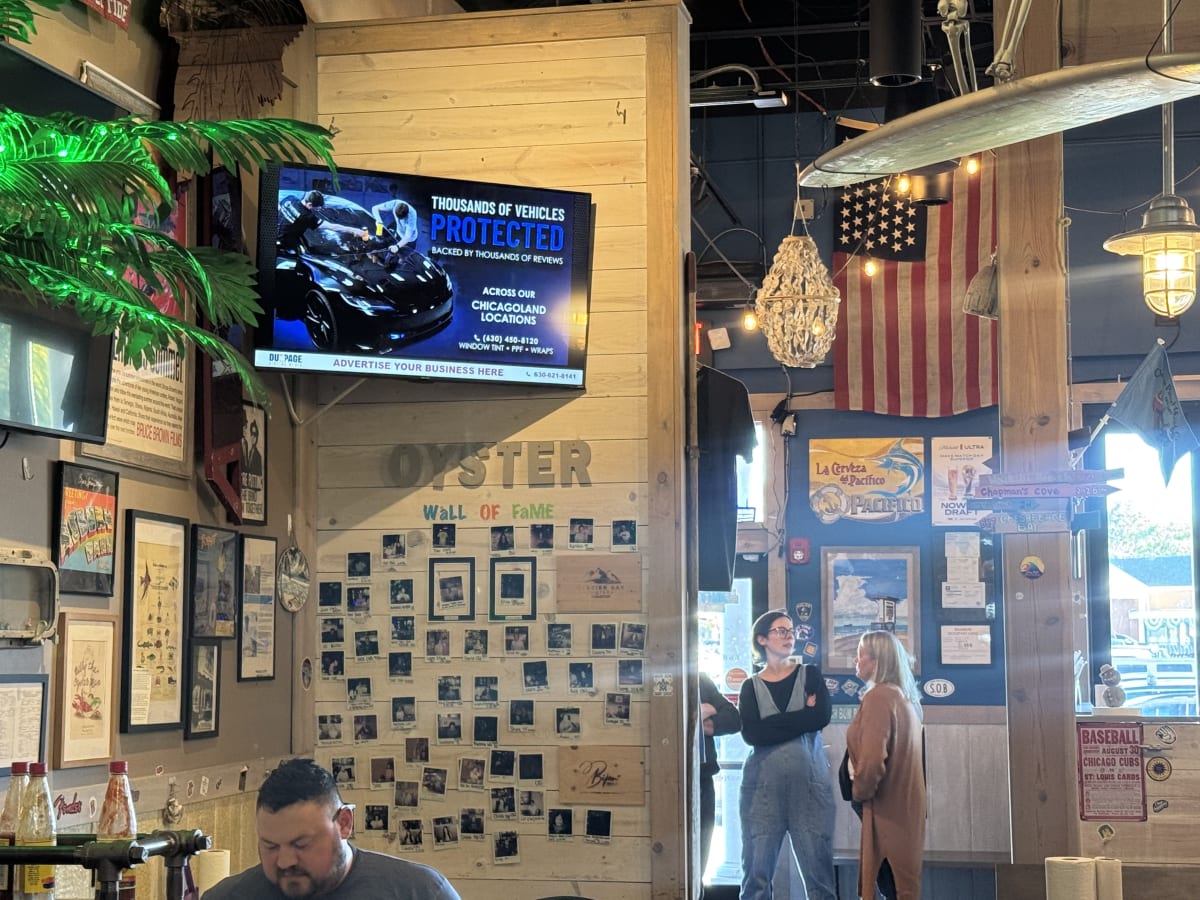
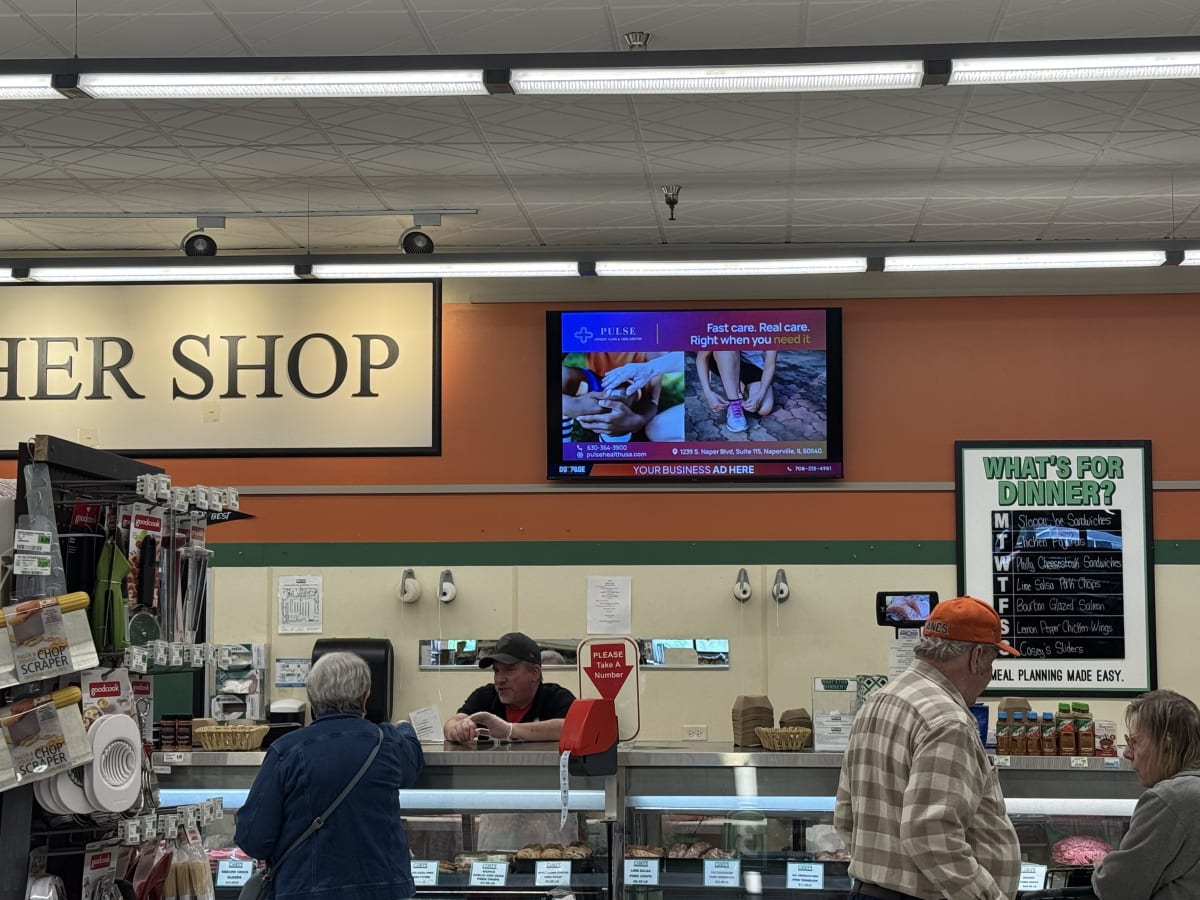
A counted play is not a person, impression, lead or sale, and results depend on your offer and other marketing. Photos show DDM screens in real venues; available placements are confirmed before any campaign.

See how DDM measures delivery.

A DDM screen mounted on the wall of an occupied restaurant, playing a vehicle-care advertisement
Restaurant: a customer ad on a DDM screen
A DDM screen above an occupied grocery service counter, playing an urgent-care advertisement
Grocery counter: customer creative on a DDM screen

Quick Answers

Common Questions

What is the main difference between DDM and Blip?

Blip is a self-service platform where you choose indoor or outdoor digital screens, set a budget and manage the campaign yourself. DDM is locally managed: a Naperville team recommends placements in venues it works with across Chicago’s western suburbs, builds the ad and reports counted plays.

Can I compare Blip displays to DDM plays?

Not directly. A Blip display is about 8 seconds on a screen. A DDM play is a logged appearance of your ad on one screen. Neither counts people, impressions, leads or sales, so one number says nothing about the other.

Does Blip offer help with creative?

Yes. Blip offers design guidelines and a free Artwork Generator during setup, or you can upload your own artwork. The DDM difference is that its team builds a professional full-motion ad for you to approve.

Does DDM require a contract?

DDM advertiser campaigns run on a 12-month monthly subscription agreement. Blip says it has no contracts and no minimums. Weigh that against how long you want to run and how much of the work you want handled.

Can I use both?

Nothing stops you. Give each campaign its own phone number, web address or QR code so you can tell responses apart.

Sources and Method

We read Blip’s public pages on November 16, 2026 and compared only what they state. DDM details come from DDM’s own network records and reporting.

We left out prices and network totals. Blip’s pages differ on some figures, rates vary by location and demand, and DDM confirms its options when you ask. Confirm current details with each company before you buy.

Next Step

See Which DDM Screens Fit Your Customers.

Share your contact details. DDM follows up to ask about your customers and goals, reviews which current local placements fit, and tells you what is available.

Asking is not a commitment to buy. Screen and category availability is confirmed before any campaign.